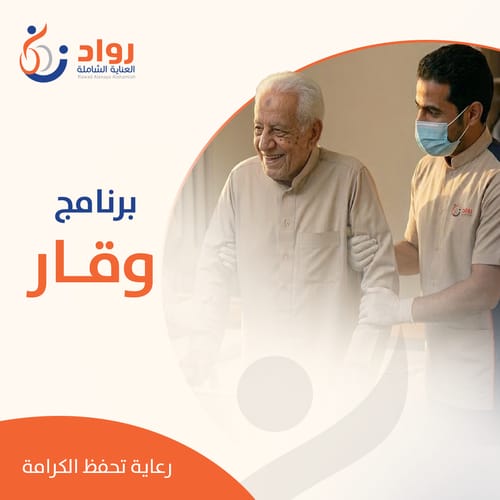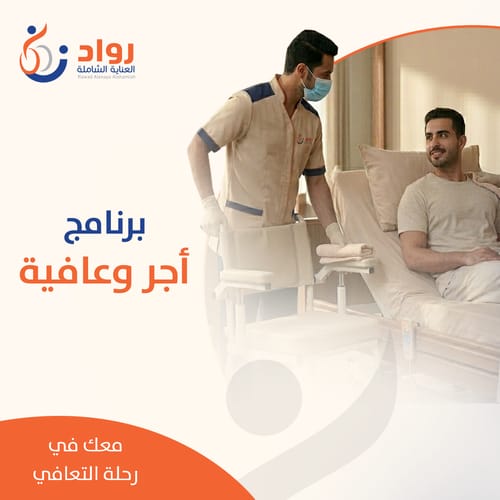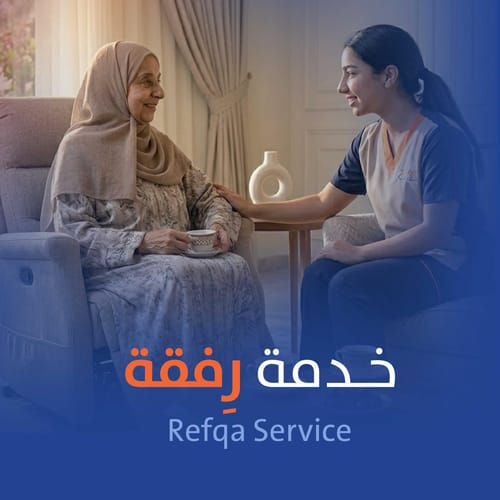
Family Support vs. Organized Home Care.
Family Support or Organized Home Care? What Is the Difference, and When Do We Need Each?
Caring for older adults and supporting them in their daily lives are important expressions of family commitment and compassion. As people age or develop health needs that affect their ability to perform everyday activities, families may wonder: Is support from a family member enough, or is organized home care the more appropriate option?
First: Family Support
Family support refers to the assistance provided by a family member, such as a son, daughter, spouse, or relative, to help meet daily needs. This may include preparing meals, helping with dressing, shopping, accompanying the person to medical appointments, and providing emotional and social support.
Key benefits: Familiarity, trust, a sense of belonging, and the ability to notice day-to-day changes in the person's condition.
However, caregiving responsibilities can become overwhelming when needs increase or conflict with family members' other commitments, particularly when specialized skills are required.
Second: Organized Home Care
Organized home care involves providing assistance or healthcare services in the person's home according to their needs. Services are delivered by a qualified provider, with clearly defined tasks, schedules, and follow-up arrangements.
These services may include personal care, mobility assistance, nutritional support, or specialized healthcare provided by qualified professionals, such as nursing care and physiotherapy, depending on the individual's needs.
Key benefits: Better organization of daily tasks, additional support for families, and access to qualified professionals when necessary. It is important to ensure that the provider has the appropriate qualifications for the services required.
What Is the Difference Between Them?
A Comparison of Family Support and Organized Home Care
Area of Comparison | Family Support | Organized Home Care |
|---|---|---|
Nature of care | Depends on the family's available time and capacity | Defined according to the required services and the agreement with the provider |
Task organization | May be flexible or informal | A clear schedule of tasks and service times can be established |
Experience and qualifications | Depends on the individual's knowledge and experience | Varies according to the provider's qualifications and expertise |
Continuity | May be affected by work and family commitments | Coverage can be arranged for agreed hours or periods |
Follow-up | Relies on communication among family members | May include procedures for documenting observations and communicating updates |
Emotional support | Based on family relationships and familiarity | Provides practical support but does not replace family bonds |
Cost | May involve no direct payment, but requires time and effort | Usually requires a budget for paid services |
Most suitable for | Basic needs that the family can safely meet | Recurring needs or those requiring additional time or specialized skills |
Note: This is a general comparison. The quality of care, level of qualifications, and cost vary according to the individual's needs, the provider, and the service agreement.
When Is Organized Home Care Needed?
Organized home care may be appropriate when a person requires frequent daily assistance, specialized healthcare follow-up, or support that the family finds difficult to provide consistently.
If the person's needs are limited and the family can meet them safely, family support alone may be sufficient.
How Can the Two Approaches Work Together?
Home care does not have to replace the family's role; it can complement it. Family members can continue providing emotional and social support while a care provider assists with daily tasks.
This approach should include regular assessments of the person's needs and respect for their preferences, dignity, and independence.
How Do You Choose the Right Home Care Provider?
Before entering into a service agreement, verify that the provider operates legally and holds the licenses required for the relevant type of service, particularly when nursing care or medical procedures are involved.
It is also advisable to ask the following questions:
- What specific services are included in the agreement?
- What qualifications and experience does the care provider have?
- Is there a clear plan for daily tasks?
- How will the family be informed of significant changes or emergencies?
- Is there an arrangement for replacing the care provider when necessary?
- What are the service hours, costs, and terms?
- If medical care is required, will it be provided by a qualified and licensed professional?
Conclusion
The most appropriate care is not necessarily the most complex option. It is the care that meets the person's needs safely, preserves their dignity, enhances their quality of life, and enables the family to continue providing support without becoming overwhelmed.
References
1. World Health Organization (WHO)
Transforming health and social services towards a more person-centred and integrated care.
2. National Institute on Aging (NIA)
Services for Older Adults Living at Home.
https://www.nia.nih.gov/health/caregiving/services-older-adults-living-home
3. Saudi Ministry of Health
Home Healthcare Services.
https://www.moh.gov.sa/eservices/cards/pages/home-healthcare.aspx
4. World Health Organization (WHO)
Integrated Care for Older People: Guidelines on Community-Level Interventions to Manage Declines in Intrinsic Capacity.